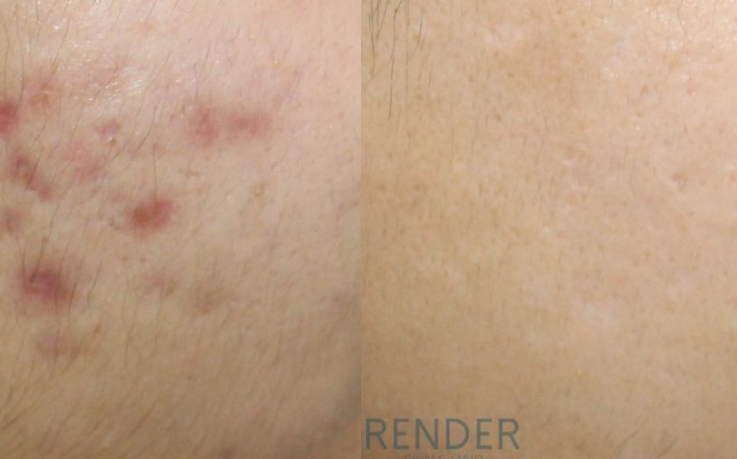
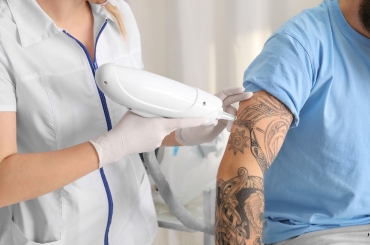
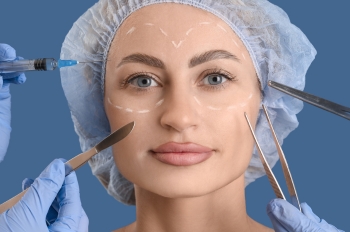
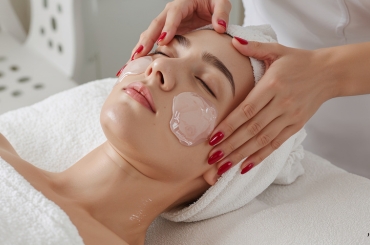
Scar revision or correction can be done in many ways
The outcome of the treatment and the choice of the treatment depend on the characteristics of the scar. These factors include skin type of the patient, extent of scarring, duration of the scar, cause of the scar – acne,post surgery, chicken pox etc, depth of the scar, and type of the scar itself. Also, it is important to know whether there are keloids/ exuberant scars elsewhere on the body. Similarly, it is important to assess the general health of the person undergoing scar correction, since all these factors are important in achieving good results.
Filler therapy
This technique involves the use of hyaluronic acid fillers/ fat/ silikon to lift the scar base.
Punch floatation
In deep scars, the floor of the scar is raised using this technique.
Scar excision
Sometimes, a scar can be easily removed, while still maintaining the cosmetic outcome.
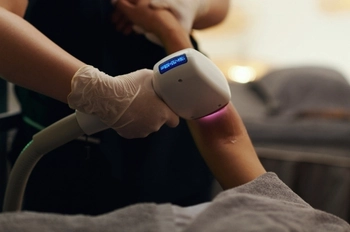
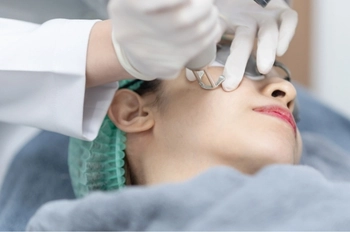
Fractional resurfacing
This involves the use of LASER/ radio-frequency energy to create tiny wounds in the skin, which lift the scars as they heal.
Chemabrasion
This involves the use of chemical peels in combination with a dermabrasion/ microdermabrasion procedure.
Chemical Peels
Are very useful in managing superficial scars, and often require to be combined with another procedure for deeper scar correction.
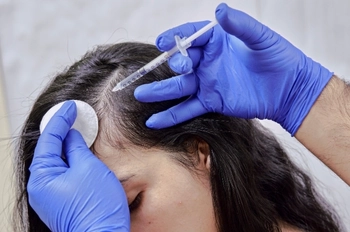
Subcision
Where a needle is used to lift the floor of the scar, and release the scar from its attachment to the surrounding skin.
Dermaroller
Where multiple needles mounted on a hand held device, are used to create tiny wounds in the skin, which when they heal, lift up the acne scars with them.
Dermabrasion
Where a manual/ motor dermabrader is used to remove the superficial layers of the skin in a controlled fashion, to improve the textural aberrations caused by acne.
Often, it is not possible to use one single technique to treat all the scars, that a person has. A combination is often required. Further, scar correction is not an overnight process. Procedures may require downtime, which is different from the time required to see the results of one session, before going for another. Often, it is not possible to predict how many sessions will be required, or how much time will be enough to give results, simply because a lot is dependent on the skin’s ability to recover as well! And this ability differs from one person to another. So it is very important that patients have realistic expectations in terms of results, time and expenditure, considering the drawn out process of scar correction.